
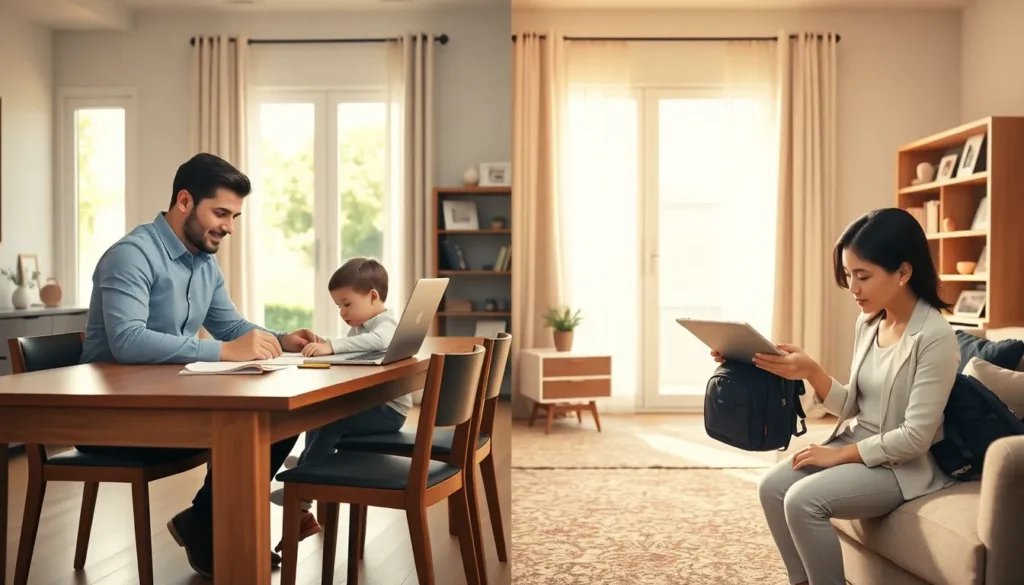

Parenting after divorce vs. parenting while married presents distinct challenges that millions of families face each year. The shift from a two-parent household to separate homes changes how parents interact with their children and each other. Studies show that approximately 40-50% of marriages in the United States end in divorce, making this transition a common experience for many families.
The differences between these two parenting styles extend beyond living arrangements. They affect daily routines, decision-making processes, and emotional support systems. Understanding these differences helps parents create stable environments for their children during and after the transition.
Table of Contents
ToggleKey Takeaways
- Parenting after divorce vs. married parenting differs in daily routines, communication methods, and decision-making processes that require intentional planning.
- Successful co-parents use apps like OurFamilyWizard to document conversations and maintain clear, business-like communication focused on their children’s needs.
- Custody arrangements such as 50/50 splits or week-on, week-off schedules should be revisited and adjusted as children grow and their needs change.
- Children benefit from consistent routines, age-appropriate explanations about the divorce, and reassurance that both parents still love them.
- Building a positive co-parenting relationship requires flexibility, mutual respect, and treating each other as parenting partners despite no longer being romantic partners.
- Many divorced parents report that their co-parenting relationship improves over time as tensions decrease and new routines become established.
How Daily Parenting Dynamics Change After Divorce
Parenting after divorce vs. married parenting looks different in several practical ways. When parents live together, they share responsibilities naturally throughout the day. One parent might handle morning routines while the other manages bedtime. After divorce, each parent handles all daily tasks during their custody time.
Single-household parenting during custody periods means parents must become self-sufficient. A parent who rarely cooked dinner now prepares meals regularly. Someone who never helped with assignments now becomes the primary academic support.
Scheduling becomes more intentional after divorce. Parents in intact marriages often make spontaneous decisions about activities or outings. Divorced parents typically plan further ahead and coordinate with their co-parent about events, appointments, and special occasions.
Financial dynamics shift as well. Married couples usually pool resources for child-related expenses. Divorced parents often split costs or designate specific expenses to each household. This requires clearer budgeting and communication about financial responsibilities.
Children also adapt to having two distinct home environments. They learn different house rules, routines, and expectations at each parent’s residence. This dual-environment experience can build adaptability in children, though it requires consistent communication between parents.
Communication Challenges Between Co-Parents
Communication changes dramatically when comparing parenting after divorce vs. parenting together. Married couples discuss children’s needs casually over dinner or during car rides. Divorced parents must create intentional communication systems.
Many divorced parents use apps like OurFamilyWizard or Talking Parents to document conversations. These tools help maintain clear records and reduce misunderstandings. They also provide a neutral space for discussions about schedules, expenses, and important decisions.
Emotional tension often complicates communication after divorce. Past conflicts may resurface during discussions about parenting. Successful co-parents learn to separate their personal feelings from parenting conversations. They focus on the child’s needs rather than previous relationship issues.
Business-like communication works well for many divorced parents. This approach treats parenting discussions as professional exchanges. Parents stick to facts, make clear requests, and confirm agreements in writing.
Parenting after divorce vs. married parenting also differs in decision-making speed. Married parents can quickly agree on matters like screen time limits or curfews. Divorced parents may need more time to discuss, negotiate, and reach consensus on similar issues.
Some families benefit from structured communication schedules. Weekly check-ins via phone or email keep both parents informed about school performance, health concerns, and upcoming events.
Custody Arrangements and Schedules
Custody arrangements represent one of the most significant differences in parenting after divorce vs. traditional family structures. Courts establish legal frameworks that dictate where children spend their time. Common arrangements include 50/50 splits, primary custody with visitation, and various hybrid schedules.
The 2-2-3 schedule gives each parent two days, then two days with the other parent, followed by three days with the first parent. This rotates weekly. Some parents prefer week-on, week-off arrangements for less frequent transitions.
Transition days require special attention. Children often feel unsettled when moving between homes. Smart parents create predictable routines around exchanges. They pack bags the night before and maintain positive attitudes during handoffs.
Holiday schedules add another layer of planning. Many divorced families alternate major holidays each year. Others split holidays so children see both parents on special days. These arrangements require advance planning and flexibility.
Long-distance parenting after divorce vs. local co-parenting presents unique challenges. When parents live far apart, custody schedules may concentrate time during school breaks and summers. Video calls and regular phone conversations help maintain relationships between in-person visits.
Schedule modifications happen as children grow. A custody arrangement that worked for a toddler may not suit a teenager with social commitments. Parents should expect to revisit and adjust schedules over time.
Supporting Your Child’s Emotional Well-Being
Children experience divorce differently based on their age, temperament, and the quality of their parents’ co-parenting relationship. Parenting after divorce vs. married parenting requires heightened attention to emotional needs during the transition period.
Younger children may not understand why their parents live separately. They benefit from simple, age-appropriate explanations. Parents should reassure children that both mom and dad still love them and that the divorce is not their fault.
Teenagers often process divorce through anger or withdrawal. They may take sides or blame one parent. Consistent patience and open communication help teens work through these feelings.
Professional support helps many children adjust. Family therapists specialize in helping kids process divorce-related emotions. School counselors can also provide support and monitor academic or behavioral changes.
Parenting after divorce vs. intact family parenting means watching for specific warning signs. Changes in sleep patterns, declining grades, increased anxiety, or social withdrawal may indicate a child needs additional support.
Parents should avoid putting children in the middle of adult conflicts. Kids should never serve as messengers between parents or feel pressured to choose sides. This protection helps preserve the parent-child relationship on both sides.
Maintaining stability provides comfort during change. Keeping consistent bedtimes, familiar activities, and regular routines at both homes helps children feel secure.
Building a Positive Co-Parenting Relationship
A healthy co-parenting relationship benefits everyone in the family. Parenting after divorce vs. parenting together requires deliberate effort to maintain cooperation and mutual respect.
Successful co-parents treat each other as partners in raising their children. They may not be romantic partners anymore, but they remain parenting partners. This mindset shift helps reduce conflict and improve communication.
Flexibility matters in co-parenting. Life brings unexpected changes, work schedules shift, children get sick, and special events arise. Co-parents who accommodate reasonable schedule adjustments build goodwill and model cooperation for their children.
Consistency between households helps children thrive. When both parents enforce similar rules about assignments, behavior, and screen time, children experience less confusion. Complete consistency isn’t always possible, but agreement on major issues reduces conflict.
Respect for the other parent’s relationship with the children strengthens families. Each parent brings unique strengths and perspectives. Children benefit from having meaningful relationships with both parents.
Parenting after divorce vs. married parenting often improves over time. Initial tensions tend to decrease as both parents establish new routines and relationships. Many divorced parents report better co-parenting relationships years after their separation than during their marriage.
Parenting classes specifically designed for divorced parents can provide valuable tools. Many courts require these classes, but they offer practical strategies that benefit any co-parenting relationship.


