
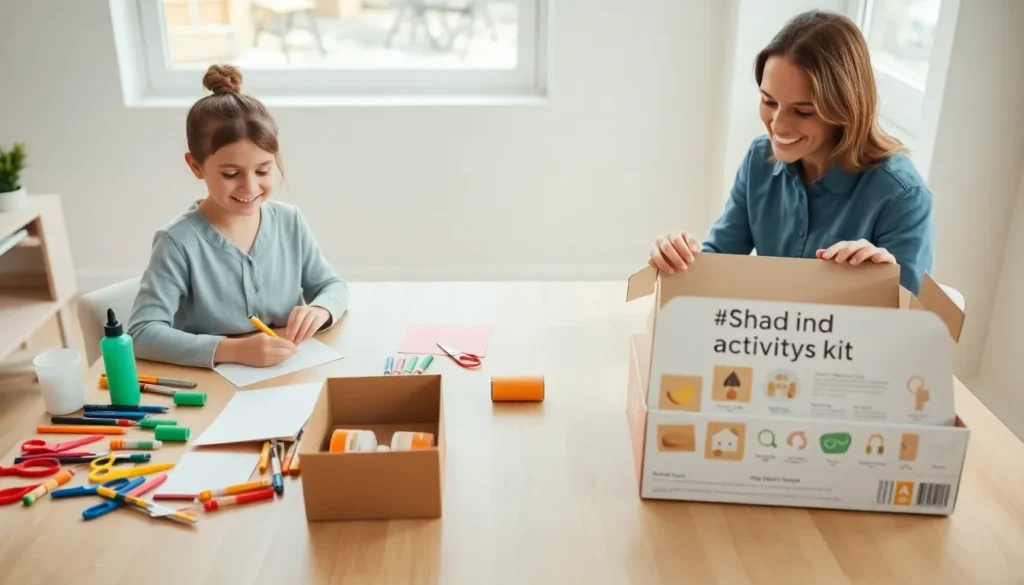

Crafts and DIY for kids offer creative freedom, but store-bought activity kits promise convenience. Parents often wonder which option delivers better value for their children’s development and entertainment. Both approaches have clear strengths and limitations worth examining.
This comparison breaks down the key differences between homemade crafts and pre-packaged activities. From cost and convenience to developmental benefits and age-appropriate options, the following sections help parents make informed choices. The goal isn’t to crown a winner, it’s to match the right activity type to each child’s needs.
Table of Contents
ToggleKey Takeaways
- Crafts and DIY for kids build problem-solving skills, creativity, and fine motor development through open-ended, hands-on projects.
- Store-bought activity kits offer convenience, safety-tested materials, and structured learning experiences ideal for busy families.
- DIY crafts cost less per project but require more time, while store-bought kits bundle convenience at a premium price.
- Match activity complexity to your child’s age—toddlers need simple projects, while older kids can handle advanced DIY or specialized kits.
- A hybrid approach combining crafts and DIY for kids with quality store-bought kits gives children both creative freedom and guided learning.
- Consider your child’s personality when choosing—independent creators thrive with open-ended materials, while structure-seekers prefer step-by-step kits.
Benefits of Hands-On Crafts and DIY Projects
Crafts and DIY for kids build essential skills that extend beyond the art table. When children create projects from scratch, they exercise problem-solving abilities and develop fine motor control. Cutting, gluing, and assembling require coordination that store-bought options don’t always demand.
Creativity flourishes without predetermined instructions. A child given cardboard, paint, and imagination produces something unique. This open-ended process encourages original thinking and builds confidence in personal expression.
DIY crafts also teach resourcefulness. Kids learn to repurpose household items, toilet paper rolls become rockets, old magazines transform into collages. This mindset carries into other areas of life, helping children see possibilities where others see trash.
The bonding experience matters too. Parents who craft alongside their kids create shared memories. These moments often spark conversations and strengthen relationships in ways that passive activities can’t match.
Also, crafts and DIY for kids allow customization based on interests. A dinosaur-obsessed child can build clay fossils. A space enthusiast can construct cardboard spaceships. This personalization keeps children engaged longer than generic activities might.
Advantages of Store-Bought Activity Kits
Store-bought kits serve a different purpose, and they do it well. Pre-packaged activities eliminate the planning phase entirely. Parents don’t need to hunt for supplies or watch tutorials. Everything arrives ready to use.
Quality control is another benefit. Reputable brands test their materials for safety and age-appropriateness. Parents can trust that components meet standards without researching each item individually.
Kits often introduce specialized activities that would be difficult to replicate at home. Science experiments, jewelry-making sets, and model-building kits include precise materials and detailed instructions. These structured experiences teach children to follow directions, a valuable skill on its own.
For busy families, store-bought options provide reliable entertainment on short notice. A rainy afternoon doesn’t require a trip to the craft store when a kit sits ready in the closet. This predictability helps parents manage schedules without sacrificing their children’s creative time.
Many kits also provide educational value through STEM-focused activities. Chemistry sets, coding games, and engineering challenges introduce concepts that pure crafts might not cover. These products bridge entertainment and learning effectively.
Cost and Convenience Comparison
Crafts and DIY for kids typically cost less per project than store-bought alternatives. Basic supplies, paper, glue, paint, scissors, serve dozens of activities. A single purchase of craft staples can fuel months of creative play.
Store-bought kits carry premium pricing because they bundle convenience with materials. A slime-making kit might cost $15 when the same ingredients purchased separately would total $5. Parents pay for packaging, instructions, and time savings.
But, hidden costs exist on both sides. DIY projects require time to plan, gather materials, and sometimes clean up messes. Store-bought kits eliminate prep time but may include single-use components that can’t be replenished affordably.
Consider this breakdown:
| Factor | DIY Crafts | Store-Bought Kits |
|---|---|---|
| Upfront cost | Lower | Higher |
| Time investment | Higher | Lower |
| Reusability | High | Variable |
| Cleanup effort | Often messier | Usually contained |
Budget-conscious families benefit from crafts and DIY for kids when they have time to invest. Busy households might find the convenience premium worthwhile. Neither approach is inherently cheaper, context determines value.
Age-Appropriate Considerations
Age plays a significant role in choosing between DIY and store-bought options. Toddlers (ages 2-4) need simple, safe activities. Finger painting, playdough, and basic collages work well. Store-bought kits for this age group often include oversized pieces and non-toxic materials designed for developing hands.
Preschoolers and early elementary kids (ages 4-7) can handle more complexity. Crafts and DIY for kids in this range might include simple sewing cards, bead projects, or basic woodworking with adult supervision. Store-bought kits expand to include science experiments and building sets with clear instructions.
Older children (ages 8-12) can tackle advanced projects independently. DIY activities at this level might involve electronics, detailed models, or complex art techniques. Store-bought kits often focus on specialized skills, robotics, advanced chemistry, or professional art supplies.
Teenagers often prefer store-bought kits that produce impressive results. Candle-making, resin art, and model-building kits appeal to this age group because they deliver polished outcomes. But, creative teens may equally enjoy open-ended DIY challenges that test their skills.
Matching difficulty to developmental stage prevents frustration. A kit designed for 10-year-olds will overwhelm a 5-year-old. Similarly, a basic craft might bore an older child who craves challenge.
How to Choose the Right Option for Your Child
Several factors help parents select between crafts and DIY for kids versus store-bought alternatives. Start by assessing your child’s personality. Independent creators who enjoy experimentation thrive with open-ended materials. Children who prefer structure and clear outcomes often appreciate kits with step-by-step guides.
Consider available time realistically. Weekends might allow for elaborate DIY sessions, while weeknight activities benefit from grab-and-go kits. Mixing both approaches across a typical week balances creativity with convenience.
Evaluate your storage space and tolerance for mess. DIY crafts require supply organization and often produce bigger messes. Kits contain everything in one box and usually limit cleanup to smaller areas.
Observe what engages your child most. Some kids light up when handed random materials and told to “make something.” Others feel overwhelmed without direction. Neither response is wrong, they simply indicate different needs.
A hybrid approach often works best. Keep basic craft supplies stocked for spontaneous creativity. Maintain a few quality kits for structured activities or busy days. This flexibility ensures children experience both creative freedom and guided learning.
Budget allocation helps too. Invest in reusable DIY supplies while selectively purchasing kits that offer unique experiences unavailable through household materials.


