
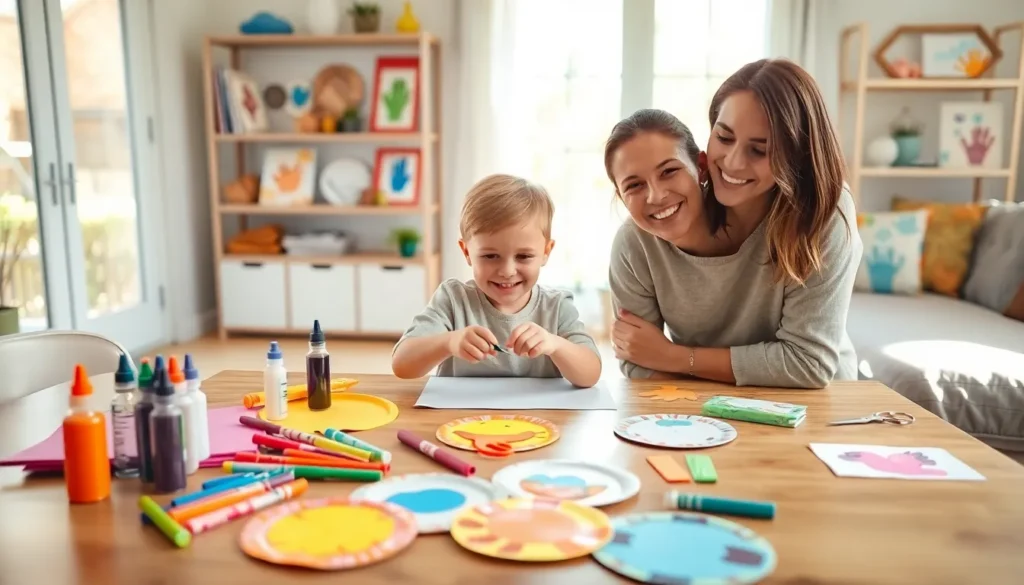

Crafts and DIY for kids offer an excellent starting point for creative expression and hands-on learning. Children who engage in crafting develop fine motor skills, build confidence, and discover the joy of making something from scratch. This guide provides parents, teachers, and caregivers with practical ideas and tips to introduce young beginners to the world of crafting. From simple paper projects to easy DIY creations, getting started requires minimal supplies and maximum imagination.
Table of Contents
ToggleKey Takeaways
- Crafts and DIY for kids build fine motor skills, patience, and creative confidence through hands-on projects.
- Start with basic supplies like paper, child-safe scissors, glue, and recyclables to unlock dozens of beginner-friendly craft ideas.
- Easy projects like paper plate animals, handprint art, and painted rocks deliver quick results that keep young children engaged.
- DIY projects such as homemade playdough and cardboard box creations teach kids they can make functional items, not just art.
- Match crafts to your child’s skill level and embrace imperfection to ensure a positive, confidence-building experience.
- Crafts and DIY for kids create meaningful bonding moments between parents and children while fostering lifelong creativity.
Why Crafts and DIY Projects Are Great for Kids
Crafts and DIY for kids deliver benefits that extend far beyond a finished art piece. Children develop critical thinking skills when they plan and execute a project. They learn problem-solving when glue doesn’t stick or colors don’t mix as expected.
Fine motor skills improve with every cut, fold, and brush stroke. A child who struggles with scissors at age four often becomes skilled by age six through regular practice. This physical development supports handwriting and other classroom activities.
Creativity thrives when kids have freedom to experiment. A simple cardboard box becomes a spaceship, a castle, or a robot. DIY projects teach children that they can build and create, not just consume. This mindset carries into adulthood.
Crafting also builds patience and focus. A child must wait for paint to dry or follow steps in sequence. These small lessons in delayed gratification help with emotional regulation.
Finally, crafts and DIY for kids create bonding opportunities. Parents and children work side by side, share ideas, and celebrate completed projects together. These moments become treasured memories.
Essential Supplies to Get Started
Starting a craft collection doesn’t require a huge investment. A few basic supplies open up dozens of project possibilities for young beginners.
Paper and Cardstock: Construction paper, white drawing paper, and cardstock form the foundation for most kids’ crafts. Stock multiple colors for variety.
Scissors: Child-safe scissors with rounded tips work well for ages three and up. Older children can graduate to sharper craft scissors with supervision.
Glue: White school glue handles most paper projects. Glue sticks offer less mess for younger crafters. Keep a hot glue gun available for adult-assisted projects.
Coloring Supplies: Crayons, markers, and colored pencils each offer different effects. Washable markers save furniture and clothing from permanent damage.
Paint and Brushes: Tempera paint washes out easily and comes in bright colors. Foam brushes work well for young hands that lack fine brush control.
Recyclables: Empty toilet paper rolls, egg cartons, bottle caps, and cardboard boxes cost nothing and inspire creativity. Many crafts and DIY for kids projects use these household items.
Storage: A plastic bin or dedicated drawer keeps supplies organized and accessible. When children can find their materials easily, they’re more likely to craft independently.
Easy Craft Ideas for Young Beginners
Young children need projects with quick results and simple steps. These craft ideas work well for kids ages three to seven.
Paper Plate Animals
Paper plates transform into lions, fish, owls, and dozens of other creatures. Kids paint the plate, then add construction paper features like ears, fins, or feathers. This project takes about twenty minutes and produces display-worthy results.
Handprint Art
A child’s painted handprint becomes a turkey, a flower, a tree, or a butterfly. These crafts create keepsakes that parents treasure for years. They also require minimal materials, just paint, paper, and willing hands.
Collage Making
Give children old magazines, scissors, and glue. They cut out pictures they like and arrange them on paper. Collages have no wrong answers, making them perfect for building confidence in hesitant crafters.
Popsicle Stick Creations
Popsicle sticks glue together to form picture frames, bookmarks, puppets, and simple structures. Kids decorate them with paint, markers, or stickers. These crafts and DIY for kids projects teach basic construction concepts.
Painted Rocks
Smooth rocks from the yard or craft store become ladybugs, monsters, or abstract art. Acrylic paint sticks best. Finished rocks make great paperweights or garden decorations.
Simple DIY Projects Kids Can Make at Home
DIY projects differ from crafts because they produce functional items. Kids feel extra pride when they make something useful.
Homemade Playdough
Mix one cup flour, half cup salt, two tablespoons cream of tartar, one cup water, and one tablespoon vegetable oil in a pot. Cook over medium heat until the mixture forms a ball. Add food coloring for bright colors. This playdough lasts months in an airtight container.
Cardboard Box Creations
Large boxes become playhouses, cars, or storefronts. Medium boxes transform into doll beds, mailboxes, or treasure chests. Kids learn spatial reasoning and basic engineering through these DIY projects.
Bird Feeders
A pine cone coated in peanut butter and rolled in birdseed creates a simple bird feeder. Alternatively, cut openings in a plastic bottle and fill it with seed. These crafts and DIY for kids connect children with nature.
Bookmarks
Cardstock strips decorated with drawings, stickers, or photos make personalized bookmarks. Punch a hole at the top and add a tassel made from yarn. Kids can gift these to friends and family.
Sock Puppets
Old socks gain new life as puppet characters. Glue on button eyes, felt features, and yarn hair. Kids then put on puppet shows, developing storytelling skills alongside their crafting abilities.
Tips for a Successful Crafting Experience
A few strategies help crafting sessions run smoothly and keep kids engaged.
Prepare the workspace: Cover tables with newspaper or a plastic tablecloth. Lay out all materials before calling kids to the table. This preparation prevents mid-project searches that break concentration.
Match projects to skill levels: A frustrated child loses interest quickly. Choose crafts that challenge slightly but allow success. Crafts and DIY for kids should build confidence, not tear it down.
Embrace imperfection: A crooked line or misplaced sticker doesn’t ruin a project. Praise effort over results. The goal is enjoyment and learning, not museum-quality output.
Set clear expectations: Explain steps before starting. Demonstrate techniques when needed. Young children benefit from seeing the process before attempting it themselves.
Allow creative freedom: Provide a basic framework, then let children make choices. If a child wants a purple sun or a square cat, celebrate that vision. Creativity matters more than accuracy.
Schedule appropriate time: Rushed projects create stress. Allow enough time for completion plus cleanup. Many crafts and DIY for kids work best on weekend afternoons when no one watches the clock.
Clean up together: Make tidying part of the routine. Children who help put away supplies learn responsibility and respect for their materials.


