


Dogs are known for their curious taste buds, often turning up their noses at the most gourmet of offerings. But what about those humble egg shells? You might think they’re just trash, but these crunchy remnants could be a surprising addition to your pup’s diet. Packed with calcium and other nutrients, egg shells might just be the secret ingredient to boost your dog’s health and keep those bones strong.
Before you start tossing those shells into Fido’s bowl, it’s essential to know the ins and outs. Can dogs really have egg shells? Are they safe or just a crunchy hazard? With a sprinkle of humor and a dash of knowledge, let’s crack open this topic and discover if your furry friend can enjoy this unexpected treat. After all, who knew that breakfast leftovers could lead to a tail-wagging good time?
Understanding Eggshells
Eggshells offer an intriguing addition to a dog’s diet due to their nutritional profile. Learning about their components reveals why some pet owners consider them.
Nutritional Value of Eggshells
Eggshells contain approximately 95% calcium carbonate, making them a rich source of calcium. This mineral supports bone health and can contribute to overall strength. Also present are trace amounts of other minerals, including magnesium, phosphorus, and selenium. These nutrients play various roles in maintaining health, such as promoting metabolic functions and aiding muscle health. Feeding crushed eggshells to dogs supplies an easy way to enhance their diet with essential nutrients.
Potential Benefits for Dogs
Incorporating eggshells into a dog’s meals can offer multiple benefits. Strengthened bones contribute directly to a dog’s mobility and overall well-being. Weight management may be aided as well, with increased mineral intake supporting metabolic health. Some dogs may benefit from improved dental health due to the abrasive nature of crushed eggshells. Furthermore, using eggshells reduces waste, making this a sustainable option for environmentally conscious pet owners.
Risks of Feeding Eggshells to Dogs
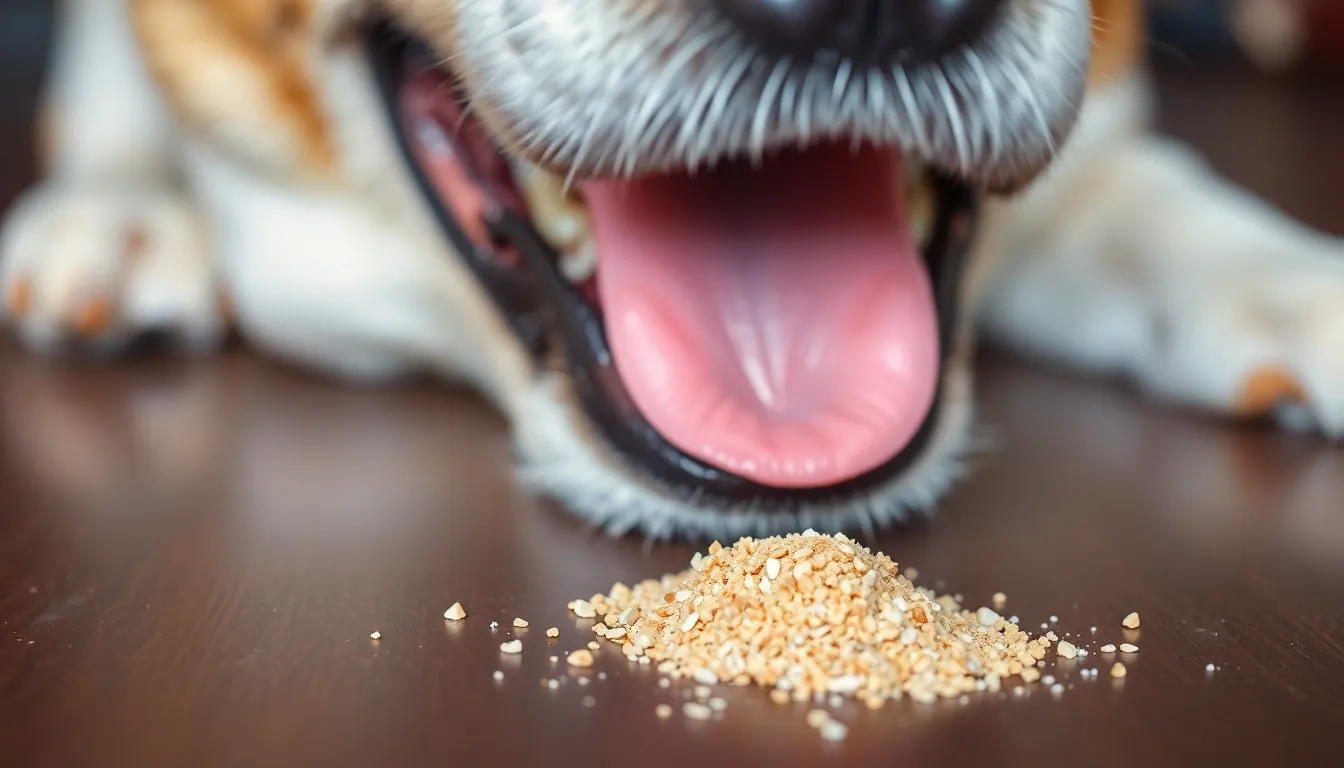
Feeding eggshells to dogs presents potential risks. Understanding these concerns helps ensure pet safety.
Possible Health Concerns
Sharp edges of eggshells can cause injury to a dog’s mouth or digestive tract. This risk increases with improperly prepared shells, which may not be ground finely enough. Hard, sharp pieces can lead to choking or obstruction in the esophagus or intestines. Additionally, unwashed eggshells may harbor bacteria, such as Salmonella, and pose a risk to both pets and owners. Monitoring for adverse reactions, such as vomiting or lethargy, proves essential after introducing eggshells into a dog’s diet. Ensuring proper preparation can mitigate some of these health concerns.
Allergies and Sensitivities
Some dogs might experience allergies or sensitivities to eggshells. Symptoms can include itching, gastrointestinal upset, or skin irritations. Not all dogs react the same way, so it’s vital to introduce eggshells gradually. Observing a dog’s reaction during the initial feeding can help identify potential issues. Consulting a veterinarian before adding eggshells to the diet proves beneficial, especially for dogs with known food sensitivities. Diet changes should always be approached carefully to maintain optimal health.
How to Prepare Eggshells for Dogs
Preparing eggshells for dogs involves careful cleaning and proper grinding techniques to ensure safety and nutritional benefits.
Cleaning and Sanitizing
Start by rinsing eggshells thoroughly under running water. This step reduces the risk of bacteria, such as Salmonella, contaminating the shells. Next, soak the shells in a solution of vinegar and water for about ten minutes. The vinegar helps eliminate any remaining bacteria. After soaking, rinse the shells again with clean water to remove any residue. Allow the shells to air dry completely before proceeding to the next step. Clean and sanitized eggshells maintain a healthy treat option for dogs.
Proper Grinding Techniques
Use a coffee grinder or a high-powered blender to grind the dried eggshells into a fine powder. Fine grinding ensures that sharp edges become negligible, reducing the risk of injury to your dog. Gradually increase the grinding duration until you achieve a consistent powdery texture. Store the ground eggshells in an airtight container in a cool, dry place. Properly ground eggshells add essential calcium to a dog’s diet without posing a choking hazard or digestive issues.
Recommended Serving Sizes
Maintaining the right serving sizes for eggshells in a dog’s diet ensures health benefits without causing harm. Proper measurements depend on the dog’s size and dietary needs.
Guidelines for Different Dog Breeds
Small breeds, like Chihuahuas and Pomeranians, can safely consume about 1/4 teaspoon of ground eggshells daily. Medium breeds, including Beagles and Bulldogs, typically require around 1/2 teaspoon per day. Large breeds, such as Labrador Retrievers or German Shepherds, may benefit from 1 teaspoon daily. Each dog’s individual nutritional needs vary, so consulting a veterinarian helps tailor serving sizes accordingly. Gradual introduction aids tolerance and helps monitor any adverse reactions.
Signs of Overconsumption
Dogs that consume too much eggshell can exhibit symptoms like digestive upset, including vomiting or diarrhea. Increased thirst can also indicate overconsumption, as calcium might affect hydration levels. Monitor for signs such as lethargy or difficulty in movement, which may point to calcium imbalances. If any severe symptoms arise, immediate veterinary attention becomes essential. Adjusting serving sizes or discontinuing eggshells can help manage these risks effectively.
Incorporating eggshells into a dog’s diet can offer significant nutritional benefits. With their high calcium content and additional minerals, they may support bone health and overall well-being. However, it’s essential for dog owners to approach this treat with caution. Proper preparation is crucial to avoid potential hazards like sharp edges and bacterial contamination.
Monitoring a dog’s reaction to eggshells is vital to ensure they tolerate this addition well. Consulting a veterinarian can provide personalized guidance tailored to each dog’s needs. By following these precautions, eggshells can be a sustainable and nutritious supplement to a dog’s diet, promoting health while reducing waste.