
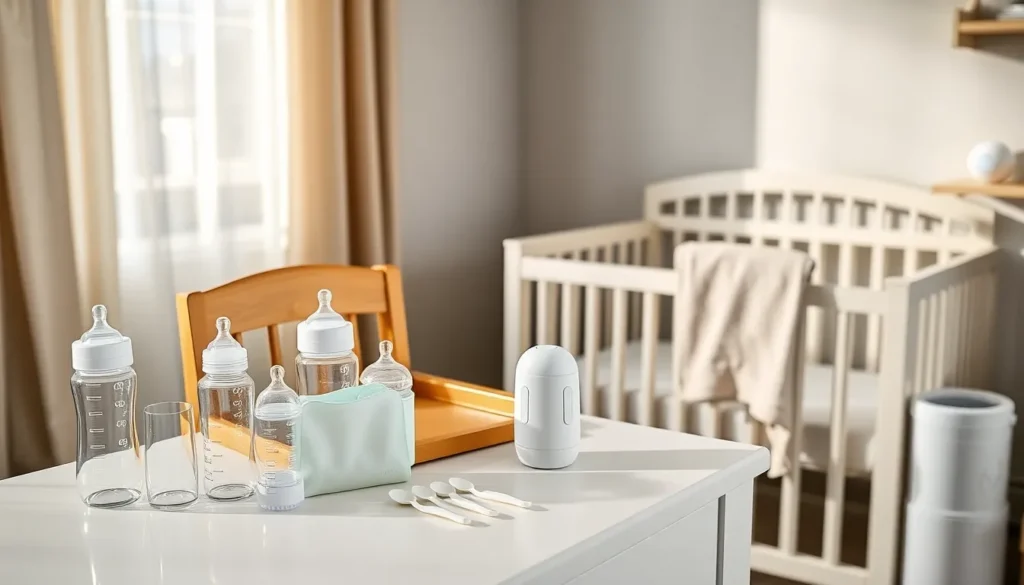

New parents face countless decisions, and choosing the right baby tools ranks among the most important. From feeding bottles to safety monitors, these products shape daily routines and keep infants healthy. The right baby tools reduce stress and make caregiving easier. This guide covers essential baby tools across five categories: feeding, diapering, safety, sleep, and selection tips. Parents will learn which products deserve a spot in their nursery and which features matter most.
Table of Contents
ToggleKey Takeaways
- Essential baby tools fall into five main categories: feeding, diapering, safety, sleep, and everyday accessories.
- Anti-colic bottles, breast pumps, and adjustable high chairs are must-have baby tools that simplify feeding routines.
- Baby monitors, childproofing supplies, and certified car seats protect infants and give parents peace of mind.
- Choose baby tools with safety certifications from organizations like ASTM or JPMA to ensure they meet rigorous testing standards.
- Prioritize convertible products like transitioning car seats and adjustable cribs for long-term value over single-use gadgets.
- Read real parent reviews and match baby tools to your lifestyle before purchasing to avoid unnecessary spending.
Feeding Tools for Infants
Feeding takes up a significant portion of a new parent’s day. The right baby tools make this process smoother and more comfortable for everyone involved.
Bottles and Nipples
Bottles come in glass, plastic, and silicone options. Glass bottles last longer and resist staining, while plastic bottles weigh less and won’t shatter if dropped. Anti-colic bottles feature vents that reduce air intake, which can decrease gas and fussiness. Parents should stock at least six bottles to avoid constant washing.
Nipple flow rates matter too. Newborns need slow-flow nipples, while older babies require faster flows as their sucking strength increases.
Breast Pumps
Breast pumps allow mothers to store milk and share feeding duties. Electric pumps work faster than manual versions, though manual pumps cost less and travel easily. Double electric pumps express milk from both breasts simultaneously, cutting pumping time in half.
High Chairs and Feeding Accessories
Once babies start solids around six months, high chairs become essential baby tools. Look for chairs with adjustable heights, removable trays, and easy-to-clean surfaces. Silicone bibs catch dropped food, and suction bowls stay put on trays. Soft-tipped spoons protect sensitive gums during early feeding sessions.
Diapering and Hygiene Essentials
Babies go through 8-12 diapers daily during their first months. Having the right baby tools for diapering saves time and keeps infants clean.
Changing Stations and Pads
A dedicated changing station organizes supplies in one place. Changing pads with raised edges prevent rolls and spills. Portable changing pads fit in diaper bags for on-the-go changes. Waterproof covers protect the pad and make cleanup quick.
Diaper Pails
Regular trash cans can’t contain diaper odors. Diaper pails seal in smells with special lids and liners. Some models use regular trash bags, while others require proprietary refills. Parents should consider ongoing costs when choosing a pail system.
Bath Time Baby Tools
Infant bathtubs support small bodies during baths. Tubs with slings or mesh inserts keep newborns secure. As babies grow, they can sit in the tub without extra support.
Soft washcloths, gentle baby soap, and hooded towels round out the bath routine. Digital thermometers ensure water stays between 98-100°F, the safe range for infant baths. Baby nail clippers with rounded tips prevent scratches, and nasal aspirators clear stuffed noses quickly.
Safety and Monitoring Devices
Safety-focused baby tools give parents peace of mind and protect curious infants from household hazards.
Baby Monitors
Audio monitors transmit sound from the nursery to a parent unit. Video monitors add visual feeds, letting parents see their baby without entering the room. Wi-Fi monitors connect to smartphones, offering remote viewing from anywhere. Some advanced baby tools include movement sensors that alert parents if breathing patterns change.
When selecting monitors, consider range, battery life, and interference resistance. Digital monitors provide clearer signals than analog versions.
Childproofing Supplies
Once babies start crawling, childproofing becomes urgent. Essential baby tools include outlet covers, cabinet locks, and corner guards. Safety gates block stairs and restrict access to dangerous areas. Furniture anchors prevent bookcases and dressers from tipping.
Door knob covers keep toddlers out of off-limits rooms. Toilet locks prevent drowning hazards and stop curious hands from splashing. Window guards add protection on upper floors.
Car Seats
Car seats rank among the most critical baby tools parents will buy. Infant car seats face backward and accommodate babies up to 35 pounds. Convertible seats transition from rear-facing to forward-facing as children grow. All car seats must meet federal safety standards, parents should check for the certification label before purchase.
Sleep and Comfort Accessories
Quality sleep matters for babies and parents alike. The right baby tools create safe, comfortable sleep environments.
Cribs and Bassinets
Bassinets work well for newborns during the first few months. Their compact size fits in bedrooms, keeping babies close for nighttime feedings. Cribs offer more space and last until children transition to toddler beds.
All cribs should meet current safety standards. Slats must be no more than 2 3/8 inches apart. Firm mattresses reduce suffocation risks. Parents should avoid soft bedding, pillows, and bumpers in sleep spaces.
Swaddles and Sleep Sacks
Swaddles wrap snugly around newborns, mimicking the womb’s pressure. This technique calms fussy babies and improves sleep quality. Velcro or zipper swaddles simplify the wrapping process.
Once babies show signs of rolling, sleep sacks replace swaddles. These wearable blankets keep infants warm without loose fabric that could cover faces.
White Noise Machines and Nightlights
White noise machines mask household sounds that might wake sleeping babies. Many parents consider these baby tools indispensable for establishing sleep routines. Nightlights with dim, warm tones allow parents to check on babies without disrupting sleep cycles.
How to Choose the Right Baby Tools
With thousands of baby products on the market, parents need strategies for making smart purchases.
Prioritize Safety Certifications
Look for baby tools that meet safety standards from organizations like ASTM International or the Juvenile Products Manufacturers Association (JPMA). These certifications indicate products have passed testing for common hazards.
Read Reviews from Real Parents
Product reviews reveal how baby tools perform in daily use. Look for comments about durability, ease of cleaning, and actual functionality. A product might look great but fail under real-world conditions.
Consider Long-Term Value
Some baby tools serve limited time windows. Others grow with children for years. Convertible cribs, adjustable high chairs, and transitioning car seats often cost more upfront but save money over time.
Skip Unnecessary Gadgets
Marketing makes every product seem essential. In reality, many baby tools collect dust after one use. Start with basics and add items as genuine needs arise. Borrowing from friends or buying secondhand also reduces waste and expense.
Match Products to Lifestyle
Active families need portable baby tools that travel well. Small apartments require compact options. Parents should assess their specific situations before following generic buying guides.


